
Managing paper clutter is a common challenge in many households. Bills, receipts, mail, school papers, and various documents tend to pile up quickly, making it hard to find what you need and creating visual chaos. Fortunately, reducing paper clutter doesn’t require a complete overhaul or expensive tools. With a few simple, consistent habits, you can bring order to your home and enjoy a tidier environment.
In this post, we’ll explore practical and easy-to-implement strategies to help you cut down on paper clutter and maintain a clutter-free home.
Why Reducing Paper Clutter Matters
Before diving into the solutions, it’s helpful to understand why reducing paper clutter is beneficial:
– Less stress: A clean, organized space is calming and makes it easier to focus.
– Saves time: You spend less time searching for documents or bills.
– More space: Clearing paper piles frees up surfaces and storage areas.
– Better organization: It’s easier to keep track of important documents when you have fewer to manage.
– Eco-friendly: Reducing paper means less waste and a smaller environmental footprint.
Simple Steps to Start Reducing Paper Clutter
1. Set Up a Central Mail Station
One of the biggest sources of paper clutter is incoming mail. Create a specific spot near your entryway or kitchen to collect mail as soon as it arrives. This could be a simple tray, basket, or wall organizer.
– Sort mail immediately into categories: bills, personal letters, coupons, junk mail.
– Recycle junk mail right away to avoid piles accumulating.
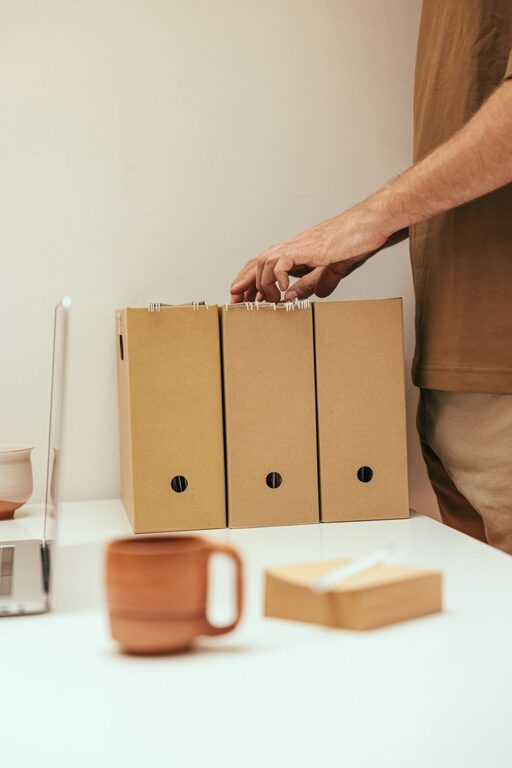
– Have a designated folder or box for important documents you need to keep.
2. Go Digital Whenever Possible
Switching to digital options is one of the most effective ways to reduce paper clutter:
– Sign up for paperless billing from your utility providers, banks, and credit cards.
– Scan important documents and save them securely on your computer or cloud storage.
– Use apps to store receipts or track expenses instead of keeping physical copies.
– Encourage family members to use email or messaging for notes or reminders instead of paper.
3. Regularly Purge and Recycle
Paper clutter tends to build up when we hold onto papers we don’t need. Schedule regular times, such as once a month or seasonally, to go through your papers and recycle what is no longer necessary.
– Keep only essential documents like tax returns (usually for 3-7 years), medical records, and legal papers.
– Shred sensitive documents before recycling to protect your privacy.
– Create a checklist of papers to keep and toss to make purging less overwhelming.
4. Use Clear, Labeled Storage Solutions
Organizing papers that you do need with proper storage can keep your space tidy:
– Use clear plastic folders or boxes so you can easily see what’s inside.
– Label everything clearly, including categories like “Medical,” “Taxes,” or “School.”
– Consider using accordion files for bills or receipts sorted by month.
– Keep your storage system consistent and easy to access to encourage regular use.
5. Create a Filing Routine
Develop simple habits to stay on top of paperwork day-to-day:
– Dedicate 10-15 minutes daily or weekly to process mail and paperwork.
– Sort papers immediately as they come in instead of letting them pile up.
– File documents in their proper place or act on them right away (pay bills, respond to invitations).
– Encourage everyone in the household to follow the same routine.
6. Limit Paper Use in Daily Life
Reducing paper clutter starts with minimizing unnecessary paper in the first place:
– Use reusable notebooks or digital note apps instead of loose paper for jotting down ideas.
– Print only when absolutely necessary.
– Avoid unnecessary flyers or catalogs by requesting to be removed from mailing lists.
– Encourage schools or workplaces to offer digital reports and announcements.
7. Manage Kids’ Papers Thoughtfully
Children’s artwork, school papers, and reports can quickly contribute to clutter. To handle these papers without guilt:
– Select a few special pieces to keep and display, then recycle others.
– Create a dedicated box or folder for schoolwork and review it regularly.
– Photograph or scan artwork to preserve memories without keeping every paper.
– Involve kids in deciding what to keep to teach organization skills.
Bonus Tips for a Paper-Free Mindset
– Consider using a label maker to replace handwritten notes.
– Use calendars and planners (digital or paper) to reduce scrap notes.
– Set reminders on your phone for bill payments to avoid keeping paper statements.
– Donate old books, magazines, and manuals instead of keeping them around.
Final Thoughts
Reducing household paper clutter doesn’t have to be overwhelming. By implementing small, consistent habits and embracing digital tools, you can create a more organized home environment. Remember, the goal is progress, not perfection. Start with one or two strategies that feel manageable and gradually build your clutter-free system.
With a little effort, your home can feel more spacious, calm, and easier to maintain. Happy decluttering!