
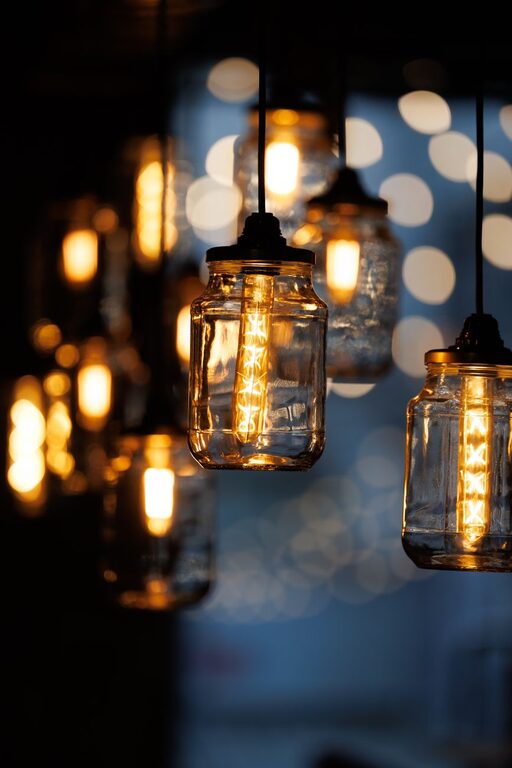
Creating a comfortable lighting environment at home is essential for both relaxation and productivity. The right lighting can enhance your mood, improve your focus, and highlight the beauty of your living spaces. However, choosing the perfect lighting can sometimes feel overwhelming with so many options available. In this post, we’ll guide you through useful tips for selecting comfortable home lighting that fits your needs and style.
Understanding the Importance of Comfortable Lighting
Lighting affects how we perceive a room and can influence our well-being. Too bright or harsh lighting can cause eye strain and discomfort. On the other hand, lighting that is too dim may make it difficult to perform tasks or create a gloomy atmosphere. Comfortable lighting is about balance, providing enough illumination while fostering a warm and welcoming ambiance.
Consider the Purpose of Each Room
Different rooms have different lighting needs depending on their function. Identifying the primary use of each space helps in choosing suitable lighting types and levels.
Living Room
This is often a multi-purpose space used for relaxing, entertaining, and sometimes working. Use layered lighting by combining ambient lighting (like ceiling fixtures), task lighting (such as reading lamps), and accent lighting (spotlights or wall sconces). Adjustable options like dimmers give you control over brightness.
Kitchen
Bright, clear lighting is essential here for food preparation and cooking. Incorporate overhead lights paired with task lighting under cabinets or over the countertops to reduce shadows. LED lights are energy-efficient and provide excellent color accuracy.
Bedroom
Aim for soft, warm lighting that promotes relaxation. Bedside lamps and dimmable fixtures allow you to adjust light levels easily. Avoid overly bright lights to maintain a calm atmosphere.
Bathroom
Bright, even lighting around mirrors is vital for grooming tasks. Consider vanity lights or LED strips that provide shadow-free illumination. Use moisture-resistant fixtures designed for bathroom environments.
Selecting the Right Color Temperature
Color temperature is measured in Kelvins (K) and indicates the warmth or coolness of the light.
– Warm light (2700K–3000K): Offers a cozy, inviting glow similar to incandescent bulbs. Ideal for living rooms, bedrooms, and dining areas.
– Neutral light (3500K–4500K): Provides a balanced white light suitable for kitchens, bathrooms, and workspaces.
– Cool light (5000K+): Mimics daylight and is often used in task-oriented areas requiring high visibility.
Opting for adjustable color temperature fixtures or bulbs can give you flexibility in setting the mood.
Choose Appropriate Bulb Types
Several bulb types are available, each with its pros and cons.
– LED bulbs: Energy-efficient, long-lasting, and available in a range of color temperatures and brightness levels. LED bulbs are the most popular choice for modern homes.
– Incandescent bulbs: Provide warm light but consume more energy and have a shorter lifespan.
– Compact fluorescent lamps (CFLs): More efficient than incandescent but take time to reach full brightness and contain small amounts of mercury.
– Halogen bulbs: Offer bright, crisp light and good color rendering but generate more heat and use more energy than LEDs.
LEDs are generally recommended for their efficiency and versatility.
Use Dimmers and Smart Controls
Dimmers let you adjust the brightness to suit the time of day or activity, enhancing comfort and reducing energy use. Smart lighting systems add convenience by allowing you to control lights remotely, set schedules, and even change colors for ambiance.
Pay Attention to Light Placement and Fixtures
Where you place your light sources can dramatically change the feel of a room.
– Avoid placing bright lights directly in your line of sight to reduce glare.
– Use multiple light sources in a room rather than relying on one central fixture.
– Consider ceiling lights, wall sconces, floor lamps, and table lamps as part of your lighting plan.
– Fixtures with shades or diffusers soften light and help distribute it evenly.
Maximize Natural Light
Natural light is the most comfortable and healthiest form of illumination. Keep windows unobstructed and use sheer curtains to let in daylight while maintaining privacy. Position seating and work areas near windows whenever possible.
Consider Energy Efficiency and Sustainability
Choosing energy-efficient lighting not only saves on utility bills but also reduces environmental impact. Look for bulbs labeled with the ENERGY STAR certification. Using timers and sensors can further decrease unnecessary energy use.
Final Tips for Comfortable Home Lighting
– Test different bulbs and lighting setups before committing.
– Think about the size and color of your rooms—darker rooms may require stronger lighting.
– Personalize lighting to match your lifestyle and preferences.
– Regularly clean fixtures to maintain brightness.
By thoughtfully selecting the right types of lighting, combining layers, and adjusting brightness and color, you can create a home environment that is comfortable, functional, and beautiful. Happy lighting!