
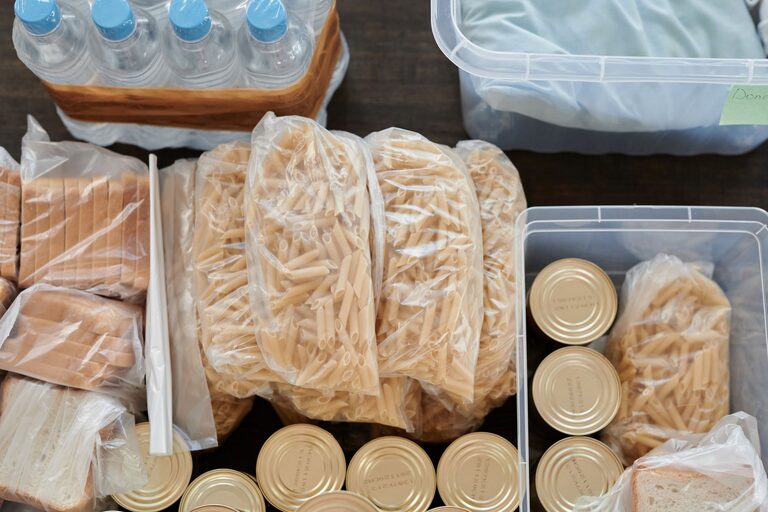
Planning meals using pantry staples is a smart way to save time, reduce food waste, and make cooking at home simpler and more affordable. Your pantry likely holds a variety of essentials that can be turned into flavorful meals with just a little creativity and organization. In this post, we’ll explore how to effectively plan meals from pantry staples and make the most out of what you already have.
What Are Pantry Staples?
Pantry staples are non-perishable food items that keep well for months or even years. Common staples include:
– Grains: rice, pasta, quinoa, oats
– Canned goods: beans, tomatoes, tuna, vegetables
– Dry goods: flour, sugar, lentils, nuts, seeds
– Baking essentials: baking powder, baking soda, yeast
– Oils and vinegars: olive oil, vegetable oil, apple cider vinegar
– Spices and herbs: salt, pepper, garlic powder, basil, cumin
Having these basics on hand means you can throw together meals even when you don’t have fresh ingredients ready to go.
Benefits of Planning Meals from Pantry Staples
– Saves money: Using what you already have reduces grocery bills.
– Saves time: Less frequent shopping trips and quicker meal prep.
– Reduces waste: Ingredients get used before expiring.
– Encourages creativity: Forces you to experiment with flavor combinations.
– Builds confidence: Learn to cook with versatile ingredients.
Step 1: Take Inventory of Your Pantry
Before meal planning, gather a list of your pantry items. Organize your inventory by category to get a clear view:
– Grains and pasta
– Canned and jarred goods
– Baking ingredients
– Spices and herbs
– Oils and condiments
Check expiration dates and discard anything outdated. This inventory gives you a starting point to plan meals efficiently.
Step 2: Identify Your Protein Sources
Protein is an important part of balanced meals. Pantry-friendly protein options include:
– Canned beans (black beans, chickpeas, kidney beans)
– Lentils and split peas
– Canned tuna or salmon
– Peanut butter or other nut butters
– Nuts and seeds
Plan meals around these staples or combine them with fresh protein sources if available.
Step 3: Choose Complementary Grains and Sides
Decide on a grain or starch base for your meals. Examples:
– Rice pilaf with beans and spices
– Pasta tossed with canned tomatoes and herbs
– Quinoa salad with canned vegetables
– Oatmeal bowls with nuts and dried fruit for breakfast
These grains provide energy and texture to your dishes.
Step 4: Use Canned and Jarred Vegetables and Sauces
Though fresh vegetables are great, canned and jarred produce can be lifesavers. Here are some pantry-friendly options:
– Canned tomatoes (whole, diced, or sauce)
– Jarred roasted red peppers or artichokes
– Canned corn, green beans, or mushrooms
– Tomato paste for adding richness
– Salsa or pasta sauces
Use these ingredients to add flavor, moisture, and nutrition.
Step 5: Keep Flavorings and Spices on Hand
Flavor makes meals exciting! Keep a selection of herbs and spices to bring dishes to life. Consider these staples:
– Garlic powder, onion powder
– Dried oregano, basil, thyme, rosemary
– Chili powder, paprika, cumin
– Salt and pepper
– Soy sauce, hot sauce, mustard
Experiment with combinations to suit your tastes.
Step 6: Plan Balanced Meals Using a Template
A simple way to plan is to think of each meal in three parts:
- **Protein:** canned beans, lentils, or canned fish
- **Grain or starch:** rice, pasta, or quinoa
- **Vegetable or sauce:** canned veggies or tomato sauce
For example, a quick meal could be:
– Lentil stew using lentils, canned tomatoes, and spices served over rice
– Pasta with canned tuna, olives, garlic, and olive oil
– Chickpea curry with coconut milk and canned tomatoes served with quinoa
Try mixing and matching items to keep meals interesting.
Step 7: Batch Cook and Store Leftovers
When you make meals from pantry staples, consider cooking larger batches. Many grain and bean-based dishes store well and taste even better the next day. Portion leftovers into containers for grab-and-go lunches or quick dinners later in the week.
Step 8: Supplement with Fresh or Frozen Ingredients
If you have fresh produce or frozen vegetables on hand, add them to your pantry-based meals for extra nutrition and flavor. A handful of spinach, a diced onion, or fresh herbs can elevate the dish without requiring a full grocery trip.
Sample Meal Plans Using Pantry Staples
Day 1: Chickpea and Tomato Curry
– Canned chickpeas
– Canned diced tomatoes
– Coconut milk (optional) or broth
– Spices: cumin, turmeric, garlic powder
– Serve over rice
Day 2: Pasta with Tuna and Olive Oil
– Pasta
– Canned tuna
– Garlic powder
– Olive oil
– Red pepper flakes (optional)
– Serve with canned green beans on the side
Day 3: Lentil Soup
– Lentils
– Canned diced tomatoes
– Vegetable broth or water
– Carrots and celery (fresh or frozen)
– Herbs: thyme, bay leaf, salt, pepper
Tips for Maintaining Your Pantry
– Organize staples so you can see items easily.
– Rotate stock by placing new items behind older ones.
– Regularly update your inventory.
– Replenish essential staples before they run out.
With a well-stocked, organized pantry and some planning, you can create tasty, nutritious meals any day of the week without stress. Give it a try and enjoy the comfort of homemade food made from pantry basics!